
Packing for Morocco is simpler than most people make it. The country covers a wide range of climates and terrain, from desert heat to mountain cold, but the basics remain the same across almost every trip. This is what we tell every guest before they travel with us.
Morocco rewards the traveller who packs smart and travels light. You will be doing a lot of walking.
Morocco’s climate varies more than you think
The single biggest packing mistake people make for Morocco is treating it as one climate. It is not. The coastal cities are mild and Mediterranean year-round. The Sahara is extremely hot in summer and genuinely cold at night in winter. The High Atlas mountains can have snow from November through to April. The north is wet and green. Understanding which parts of Morocco you are visiting, and when, shapes everything else on this list.
As a general rule: pack lighter than you think you need to for the cities, bring a proper warm layer for the desert nights and the mountains, and always have a light scarf or shawl accessible for visiting mosques and religious sites.
Spring
Warm days, cool evenings. Best season overall. Light layers essential.
Summer
Very hot in the south. Sahara can exceed 45°C. Light, breathable clothing only.
Autumn
Excellent conditions across most of the country. Similar to spring.
Winter
Cold desert nights, snow in mountains. Warm layers are not optional.
What to wear — practical and respectful
Morocco is a Muslim-majority country and modest dress is appreciated, particularly in the medinas, smaller towns, and rural areas. This does not mean covering completely, but it does mean avoiding very short shorts, sleeveless tops, and anything that would feel out of place in a traditional community. Beyond the cultural aspect, modest clothing also keeps you cooler in the heat and protects against sunburn.
In the desert specifically, loose, long-sleeved clothing in light fabrics is genuinely more comfortable than shorts and a t-shirt. The desert sun is intense and the wind carries fine sand that irritates exposed skin.
Clothing essentials
- Lightweight trousers 2–3 pairs
- Long-sleeved shirts breathable fabric
- T-shirts 3–4, for underneath
- Light jacket or fleece for evenings
- Warm layer essential for desert nights
- Comfortable walking shoes
- Sandals easy on and off
- Socks more than you think
- Underwear quick-dry if possible
- Sleepwear
For women
- Loose-fit dresses or skirts below the knee
- Light scarf or shawl for shoulders and head
- Cardigan or overshirt layering essential
- Comfortable flats medina cobblestones are uneven
- Sports bra or vest under looser layers
- One smart outfit for nicer riads
Desert tipFor camel trekking and desert walking, long loose trousers and a long-sleeved shirt in a light colour will keep you significantly more comfortable than shorts and a vest. Sand gets everywhere and sunburn at elevation is fast.
The essentials you will actually use
Most standard toiletries are available in Moroccan pharmacies and supermarkets, so there is no need to overpack this category. The things worth bringing from home are the specific products you rely on, high-factor sunscreen (more expensive and harder to find in Morocco than you might expect), and any prescription medication you take regularly.
Toiletries and health checklist
- Sunscreen SPF 50+ bring enough, it is expensive in Morocco
- Lip balm with SPF desert sun is intense
- Insect repellent particularly for desert camps
- Hand sanitiser
- Wet wipes invaluable in the desert
- Prescription medication bring more than you need
- Imodium or similar dietary changes can affect digestion
- Antihistamines dust, pollen, and animal hair
- Plasters and blister pads medina walking is tough on feet
- Rehydration sachets for hot days and desert hiking
- Basic first aid items
- Toothbrush and toothpaste
- Deodorant
- Shampoo and conditioner small amounts, available locally
- Contact lenses and solution if applicable
- Glasses desert sand and contact lenses are a poor combination
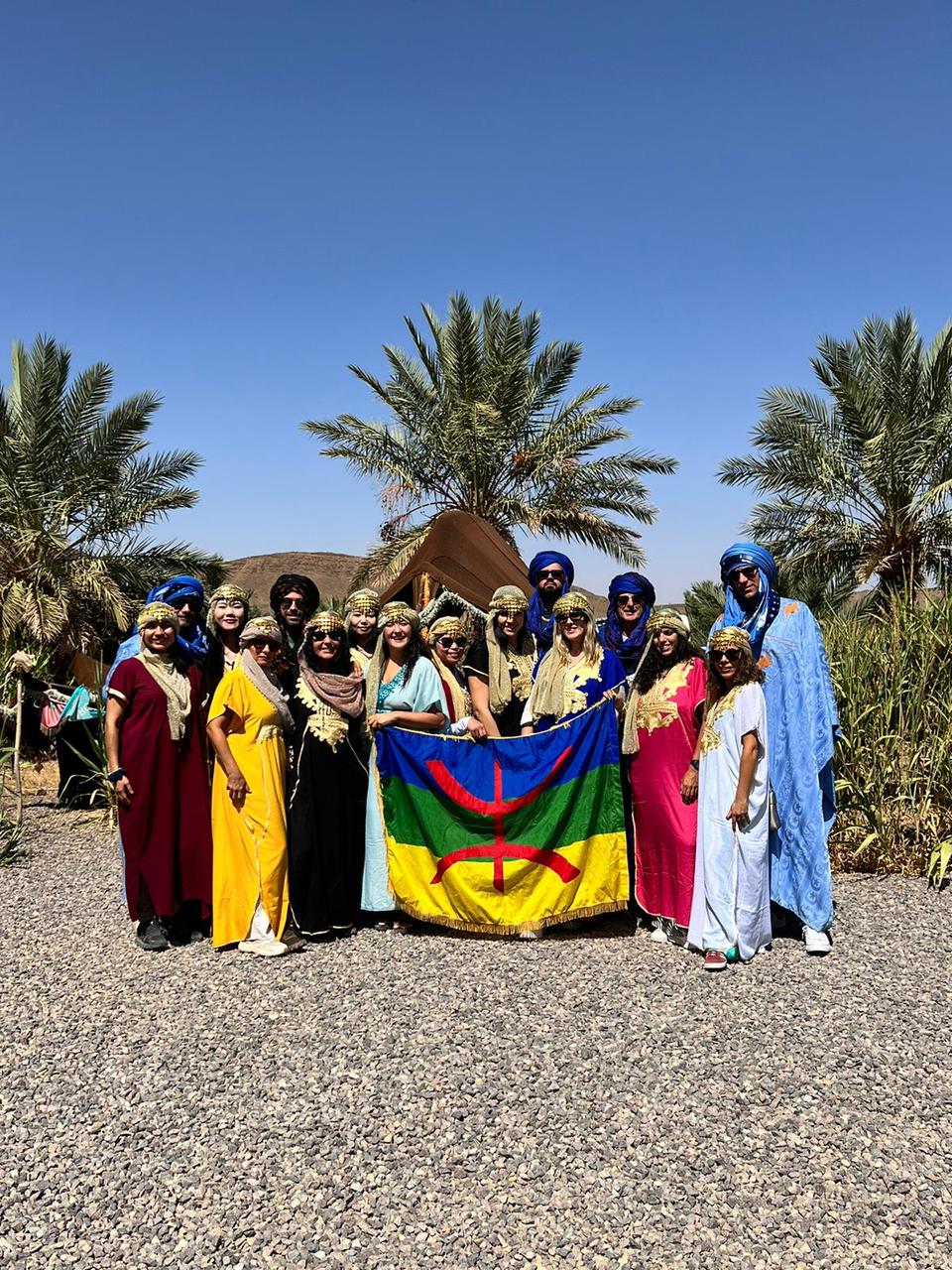
Comfortable, practical clothing makes a real difference across a multi-day tour.
The practical items most people forget
Beyond clothing and toiletries, there are a handful of items that consistently make a significant difference to the quality and comfort of a Morocco trip. Some are obvious. A few are not.
Gear and accessories checklist
- Day backpack 15–20L, for city days and desert walks
- Reusable water bottle large capacity, Morocco is hot
- Headtorch or small torch desert camps often have limited lighting
- Sunglasses good quality, UV protection essential
- Wide-brim hat or cap non-negotiable in summer and the desert
- Dust or buff scarf for camels and desert wind
- Padlock for hostel lockers and bag zips
- Packing cubes helpful for daily repacking
- Dry bag or waterproof pouch for valuables in dusty conditions
- Universal travel adapter Morocco uses Type C and E plugs
- Portable power bank charging options at desert camps are limited
- Camera or spare phone battery
- Earplugs medinas can be noisy at night
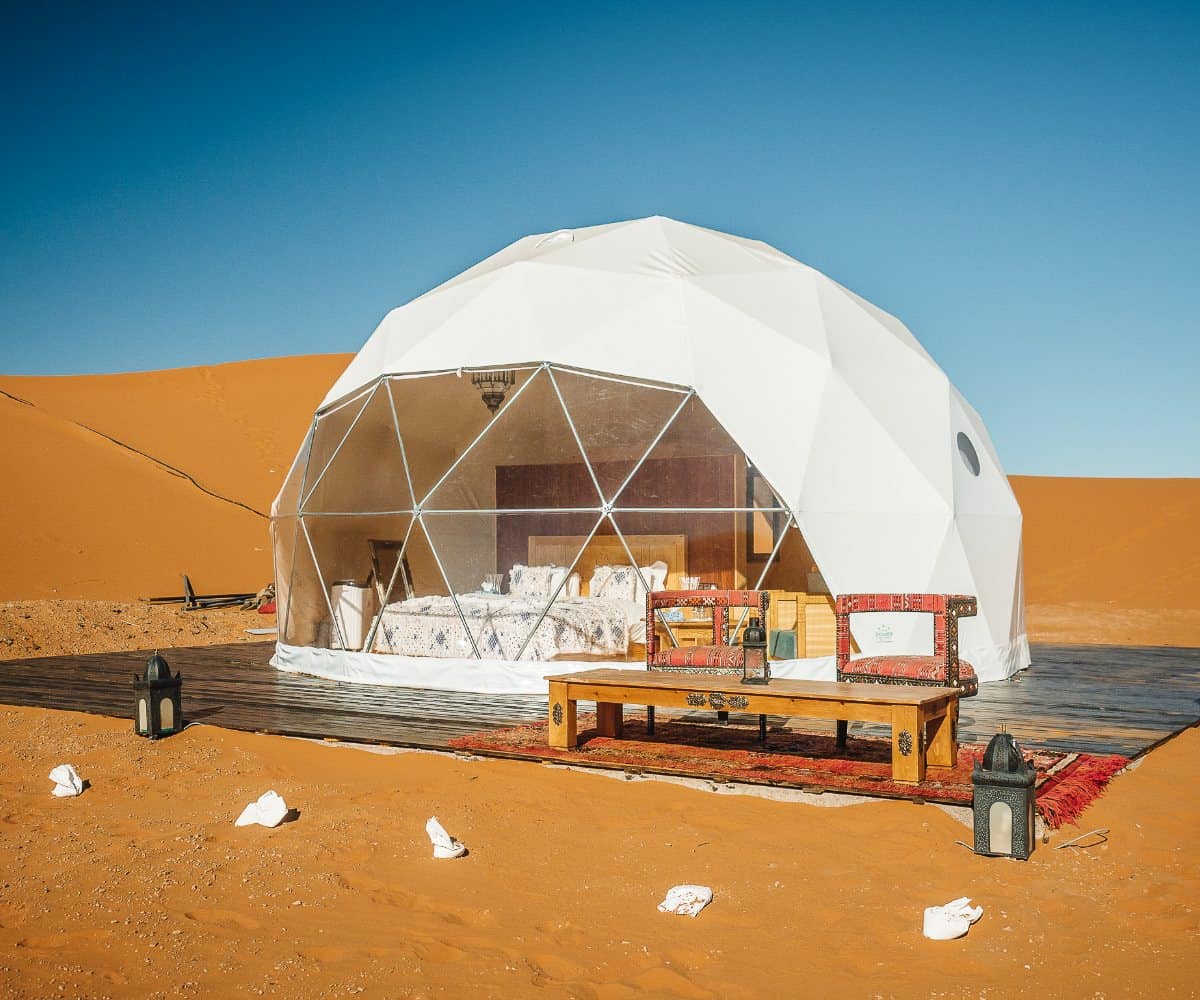
Desert camp tipBring a small bag inside your main luggage for the one or two nights you spend at the desert camp. You will leave your main bag in the vehicle and only carry what you need for the overnight stay into the dunes.
What you need before you leave home
Morocco uses the Moroccan dirham (MAD). Cash is essential for smaller purchases, tips, market shopping, and anywhere outside the main tourist areas. ATMs are available in all cities and most larger towns, but rare in the desert and rural south. Bring enough cash to cover at least two or three days before you know where the next ATM is.
Most Western passport holders do not require a visa for stays under 90 days. Check the current requirements for your specific nationality before travelling as these do occasionally change.
Documents and money checklist
- Passport valid for at least 6 months beyond travel dates
- Travel insurance documents printed and digital copies
- Flight and accommodation confirmations
- Tour booking confirmation from Pro Morocco Tours
- Emergency contact list including your guide’s number
- Cash in dirhams or euros euros accepted in many tourist areas
- Debit and credit cards notify your bank before travelling
- Photograph of passport stored separately from the original
“Our guests who pack light and dress respectfully almost always have a better time. Morocco rewards travellers who meet it on its own terms.”
Plan your Morocco tourWhat not to bring to Morocco
As important as what to pack is what to leave behind. Overpacking is the most common mistake, particularly on tours that involve moving between locations every day. A smaller, lighter bag makes every part of the experience more comfortable.
Leave these at home
- Excessive jewellery — attracts unwanted attention in markets and busy medinas
- High heels or impractical shoes — medina cobblestones are genuinely uneven
- Revealing clothing — shorts above the knee and sleeveless tops cause friction in traditional areas
- Multiple large bags — one main bag and a day pack is the ideal setup for a tour
- Expensive electronics you cannot replace — dust and heat are hard on equipment
- Large amounts of cash — use ATMs as you go rather than carrying everything at once
- Drone without a permit — drones require prior authorisation in Morocco and are confiscated at airports without it
- Medications without prescription documentation — some medications require a doctor’s letter to bring into the country
Packing specifically for the Sahara
If your itinerary includes a night or two in the Sahara desert, which most of our tours do, there are a few additional items worth adding to your bag. The desert environment is unlike anywhere else you will travel, and being prepared for it makes the experience considerably more comfortable and enjoyable.
Temperatures in the Sahara can swing by 30 degrees or more between midday and midnight. Sunscreen and a hat are non-negotiable during the day. A warm jacket and an extra layer are equally non-negotiable at night, even in summer. The desert does not negotiate on either of these points.
Additional desert checklist
- Warm jacket desert nights are genuinely cold
- Buff or scarf for camel riding and wind
- Flip flops or slip-ons for the camp and tent
- Extra water bottle hydration in the desert is critical
- Small torch for navigating camp at night
- Plastic bags to protect electronics and documents from sand
- Eye drops desert air is extremely dry
- Extra phone charge power at camps is limited
- Star gazing comfort a light blanket for sitting outside at night
Sand tipSand gets into everything in the desert. Keep your phone, camera, and passport in sealed plastic bags when you are not using them. It sounds excessive until you have spent an hour cleaning sand out of a camera lens.
The single best packing decision you can make for Morocco is to pack less than you think you need. You will be moving between locations, doing a lot of walking, and spending time in environments where a lighter bag is simply more practical. Everything on this list fits comfortably into a 40-litre bag, and most of our guests tell us they still brought too much.
If you have specific questions about what to pack for a particular itinerary or time of year, we are happy to advise. Get in touch with our team and we will give you an honest answer based on the specific trip you are planning. You can also browse our full range of tours to find the itinerary that suits you best, from our 3-day desert escape to the 10-day complete Morocco tour.